Material
Sewerage Pipe Supplier in Malaysia
Mar 5 2026
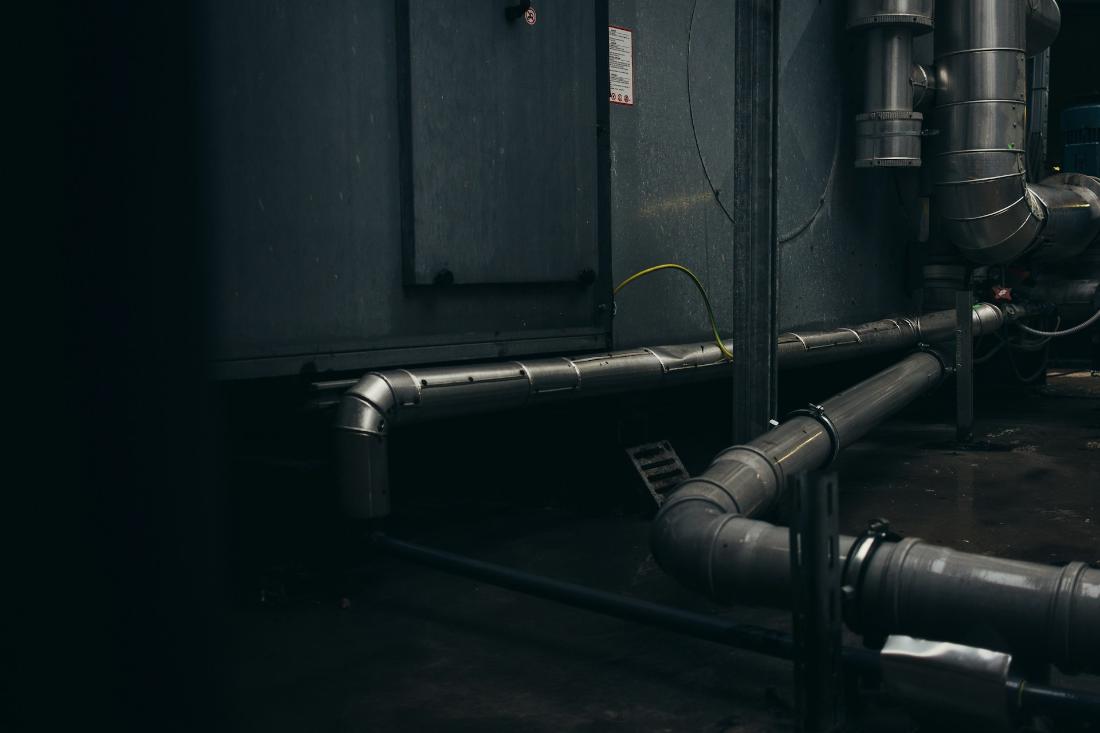
Malaysia’s rapid urban development has created an increasing demand for reliable sewerage systems. As cities expand, residential developments grow, and industrial zones multiply, the need for efficient wastewater management becomes more critical than ever. At the heart of this infrastructure lies a key component that often goes unnoticed yet plays a vital role in maintaining sanitation and environmental safety: sewerage pipes.
A reliable sewerage pipe supplier in Malaysia is essential to ensure that projects run smoothly, comply with regulatory standards, and maintain long-term durability. Whether for municipal infrastructure, commercial developments, or residential projects, choosing the right supplier can significantly impact the overall performance and lifespan of a sewerage system. This article explores the role of sewerage pipe suppliers in Malaysia, the types of pipes commonly used, industry standards, and key factors to consider when selecting a trusted supplier.
Understanding the Importance of Sewerage Systems in Malaysia
Sewerage systems form the backbone of urban sanitation. Without proper wastewater management, cities would face severe environmental and health challenges. In Malaysia, the development of modern sewerage infrastructure has been guided by strict regulatory frameworks and environmental considerations.
Wastewater generated from households, commercial buildings, and industrial facilities must be transported safely to treatment plants before being discharged back into the environment. Sewerage pipes function as the primary channels for this transportation, ensuring that wastewater flows efficiently without leaks or contamination.
As Malaysia continues to grow economically and demographically, government agencies and private developers increasingly invest in modern sewerage infrastructure. The success of these projects heavily depends on the quality and reliability of the materials used, making sewerage pipe suppliers a crucial part of the supply chain.
The Role of Sewerage Pipe Suppliers in Infrastructure Development
Sewerage pipe suppliers in Malaysia serve as key partners in infrastructure development. They provide the materials required for constructing underground sewer networks, drainage systems, and wastewater pipelines. Beyond simply supplying products, reputable suppliers often offer technical consultation, logistics support, and compliance guidance.
Many infrastructure projects involve complex engineering requirements. Pipes must withstand soil pressure, resist chemical corrosion from wastewater, and maintain structural integrity over long periods. Experienced suppliers work closely with engineers and contractors to recommend the appropriate pipe materials and specifications for each project.
Additionally, reliable suppliers maintain consistent inventory levels and efficient delivery schedules. Delays in pipe supply can disrupt construction timelines, leading to increased costs and project setbacks. Therefore, dependable logistics and supply chain management are essential qualities of a professional sewerage pipe supplier.
A reliable sewerage pipe supplier in Malaysia is essential to ensure that projects run smoothly, comply with regulatory standards, and maintain long-term durability. Whether for municipal infrastructure, commercial developments, or residential projects, choosing the right supplier can significantly impact the overall performance and lifespan of a sewerage system. This article explores the role of sewerage pipe suppliers in Malaysia, the types of pipes commonly used, industry standards, and key factors to consider when selecting a trusted supplier.
Understanding the Importance of Sewerage Systems in Malaysia
Sewerage systems form the backbone of urban sanitation. Without proper wastewater management, cities would face severe environmental and health challenges. In Malaysia, the development of modern sewerage infrastructure has been guided by strict regulatory frameworks and environmental considerations.
Wastewater generated from households, commercial buildings, and industrial facilities must be transported safely to treatment plants before being discharged back into the environment. Sewerage pipes function as the primary channels for this transportation, ensuring that wastewater flows efficiently without leaks or contamination.
As Malaysia continues to grow economically and demographically, government agencies and private developers increasingly invest in modern sewerage infrastructure. The success of these projects heavily depends on the quality and reliability of the materials used, making sewerage pipe suppliers a crucial part of the supply chain.
The Role of Sewerage Pipe Suppliers in Infrastructure Development
Sewerage pipe suppliers in Malaysia serve as key partners in infrastructure development. They provide the materials required for constructing underground sewer networks, drainage systems, and wastewater pipelines. Beyond simply supplying products, reputable suppliers often offer technical consultation, logistics support, and compliance guidance.
Many infrastructure projects involve complex engineering requirements. Pipes must withstand soil pressure, resist chemical corrosion from wastewater, and maintain structural integrity over long periods. Experienced suppliers work closely with engineers and contractors to recommend the appropriate pipe materials and specifications for each project.
Additionally, reliable suppliers maintain consistent inventory levels and efficient delivery schedules. Delays in pipe supply can disrupt construction timelines, leading to increased costs and project setbacks. Therefore, dependable logistics and supply chain management are essential qualities of a professional sewerage pipe supplier.
Types of Sewerage Pipes Commonly Used in Malaysia
Several types of sewerage pipes are widely used across Malaysia’s infrastructure projects. Each type is designed to meet specific performance requirements depending on the application, soil conditions, and wastewater characteristics.
Concrete pipes remain one of the most commonly used materials in large-scale sewerage systems. These pipes are known for their strength and durability, making them suitable for deep underground installations and heavy load environments. Reinforced concrete pipes are often used in municipal sewer networks because they can withstand significant external pressure and have a long service life.
PVC sewer pipes are another popular option in Malaysia due to their lightweight structure and corrosion resistance. Unlike metal pipes, PVC does not rust or degrade easily when exposed to wastewater chemicals. This makes it an ideal choice for residential and small-scale commercial sewerage systems. PVC pipes are also easier to transport and install, which reduces labor costs and construction time.
High-density polyethylene, commonly known as HDPE, is gaining popularity in modern sewerage infrastructure projects. HDPE pipes are flexible, highly durable, and resistant to chemical corrosion. Their flexibility allows them to adapt to soil movement and shifting ground conditions, which can be beneficial in certain geographical areas.
Ductile iron pipes are also used in specific applications where high strength and pressure resistance are required. Although they are typically more expensive than plastic alternatives, ductile iron pipes offer exceptional durability and reliability in demanding environments.
Each pipe material has unique advantages, and experienced sewerage pipe suppliers help project engineers determine the most suitable option based on technical requirements and budget considerations.
Regulatory Standards and Compliance in Malaysia
Malaysia maintains strict regulations for sewerage infrastructure to protect public health and the environment. Sewerage pipe suppliers must ensure that their products meet the standards set by relevant authorities such as the Suruhanjaya Perkhidmatan Air Negara (SPAN).
Compliance with Malaysian standards ensures that pipes meet quality benchmarks related to strength, durability, leakage resistance, and environmental safety. Certification from recognized bodies demonstrates that a supplier’s products have undergone rigorous testing and quality control procedures.
Many construction projects require documentation proving that the materials used comply with regulatory standards. Reliable sewerage pipe suppliers maintain proper certification records and provide the necessary documentation to contractors and project developers. This helps streamline approval processes and ensures that infrastructure projects meet legal requirements.
Several types of sewerage pipes are widely used across Malaysia’s infrastructure projects. Each type is designed to meet specific performance requirements depending on the application, soil conditions, and wastewater characteristics.
Concrete pipes remain one of the most commonly used materials in large-scale sewerage systems. These pipes are known for their strength and durability, making them suitable for deep underground installations and heavy load environments. Reinforced concrete pipes are often used in municipal sewer networks because they can withstand significant external pressure and have a long service life.
PVC sewer pipes are another popular option in Malaysia due to their lightweight structure and corrosion resistance. Unlike metal pipes, PVC does not rust or degrade easily when exposed to wastewater chemicals. This makes it an ideal choice for residential and small-scale commercial sewerage systems. PVC pipes are also easier to transport and install, which reduces labor costs and construction time.
High-density polyethylene, commonly known as HDPE, is gaining popularity in modern sewerage infrastructure projects. HDPE pipes are flexible, highly durable, and resistant to chemical corrosion. Their flexibility allows them to adapt to soil movement and shifting ground conditions, which can be beneficial in certain geographical areas.
Ductile iron pipes are also used in specific applications where high strength and pressure resistance are required. Although they are typically more expensive than plastic alternatives, ductile iron pipes offer exceptional durability and reliability in demanding environments.
Each pipe material has unique advantages, and experienced sewerage pipe suppliers help project engineers determine the most suitable option based on technical requirements and budget considerations.
Regulatory Standards and Compliance in Malaysia
Malaysia maintains strict regulations for sewerage infrastructure to protect public health and the environment. Sewerage pipe suppliers must ensure that their products meet the standards set by relevant authorities such as the Suruhanjaya Perkhidmatan Air Negara (SPAN).
Compliance with Malaysian standards ensures that pipes meet quality benchmarks related to strength, durability, leakage resistance, and environmental safety. Certification from recognized bodies demonstrates that a supplier’s products have undergone rigorous testing and quality control procedures.
Many construction projects require documentation proving that the materials used comply with regulatory standards. Reliable sewerage pipe suppliers maintain proper certification records and provide the necessary documentation to contractors and project developers. This helps streamline approval processes and ensures that infrastructure projects meet legal requirements.
The Growing Demand for Sewerage Pipe Suppliers in Malaysia
Urbanization continues to reshape Malaysia’s infrastructure landscape. Cities such as Kuala Lumpur, Johor Bahru, and Penang are experiencing continuous expansion in residential developments, commercial buildings, and industrial facilities. Each new development requires a well-planned sewerage network to support its operations.
Government initiatives aimed at improving sanitation and environmental sustainability also contribute to the growing demand for sewerage pipes. Upgrading aging sewer systems and expanding wastewater treatment capacity are key priorities in Malaysia’s long-term infrastructure strategy.
Private developers play a significant role in driving this demand as well. Large housing projects, industrial parks, and mixed-use developments all require reliable wastewater management systems. As a result, the need for dependable sewerage pipe suppliers continues to grow across the country.
Factors to Consider When Choosing a Sewerage Pipe Supplier in Malaysia
Selecting the right sewerage pipe supplier involves more than comparing prices. Quality, reliability, and technical expertise are equally important considerations that can influence the success of a construction project.
One of the most important factors to evaluate is product quality. Sewerage pipes must be able to withstand harsh underground conditions, chemical exposure, and long-term pressure. Suppliers that adhere to strict manufacturing standards and quality control processes are more likely to provide durable and reliable products.
Experience within the industry is another critical factor. Established suppliers often possess deep knowledge of local infrastructure requirements and regulatory standards. Their experience allows them to provide valuable recommendations that help engineers and contractors make informed decisions.
Supply chain efficiency also plays a major role in project success. Infrastructure projects typically operate on tight timelines, and delays in material delivery can cause significant disruptions. Reliable suppliers maintain strong logistics capabilities to ensure timely delivery of sewerage pipes to construction sites.
Technical support is an additional aspect that many contractors appreciate. Some sewerage pipe suppliers offer engineering consultation and installation guidance to ensure that pipes are used correctly and perform as expected.
Urbanization continues to reshape Malaysia’s infrastructure landscape. Cities such as Kuala Lumpur, Johor Bahru, and Penang are experiencing continuous expansion in residential developments, commercial buildings, and industrial facilities. Each new development requires a well-planned sewerage network to support its operations.
Government initiatives aimed at improving sanitation and environmental sustainability also contribute to the growing demand for sewerage pipes. Upgrading aging sewer systems and expanding wastewater treatment capacity are key priorities in Malaysia’s long-term infrastructure strategy.
Private developers play a significant role in driving this demand as well. Large housing projects, industrial parks, and mixed-use developments all require reliable wastewater management systems. As a result, the need for dependable sewerage pipe suppliers continues to grow across the country.
Factors to Consider When Choosing a Sewerage Pipe Supplier in Malaysia
Selecting the right sewerage pipe supplier involves more than comparing prices. Quality, reliability, and technical expertise are equally important considerations that can influence the success of a construction project.
One of the most important factors to evaluate is product quality. Sewerage pipes must be able to withstand harsh underground conditions, chemical exposure, and long-term pressure. Suppliers that adhere to strict manufacturing standards and quality control processes are more likely to provide durable and reliable products.
Experience within the industry is another critical factor. Established suppliers often possess deep knowledge of local infrastructure requirements and regulatory standards. Their experience allows them to provide valuable recommendations that help engineers and contractors make informed decisions.
Supply chain efficiency also plays a major role in project success. Infrastructure projects typically operate on tight timelines, and delays in material delivery can cause significant disruptions. Reliable suppliers maintain strong logistics capabilities to ensure timely delivery of sewerage pipes to construction sites.
Technical support is an additional aspect that many contractors appreciate. Some sewerage pipe suppliers offer engineering consultation and installation guidance to ensure that pipes are used correctly and perform as expected.
Sustainability and Environmental Considerations
Environmental sustainability has become a key focus in Malaysia’s infrastructure development. Sewerage systems play an essential role in protecting natural water resources by ensuring that wastewater is properly managed and treated.
Modern sewerage pipe suppliers increasingly adopt sustainable manufacturing practices. This may include using recyclable materials, reducing carbon emissions during production, and implementing efficient resource management strategies.
Plastic-based pipes such as HDPE and PVC can contribute to sustainability due to their long lifespan and recyclability. These materials also require less energy to transport and install compared to heavier alternatives.
Sustainable sewerage infrastructure ultimately benefits both the environment and the communities that rely on clean water systems. By choosing responsible suppliers that prioritize sustainability, developers can contribute to Malaysia’s long-term environmental goals.
The Importance of Reliable Supply Chains
A strong supply chain is vital in the construction industry, particularly for large infrastructure projects. Sewerage pipe suppliers must coordinate with manufacturers, distributors, and logistics providers to ensure that products reach project sites on time.
Supply disruptions can lead to costly delays and increased project expenses. For example, if sewerage pipes arrive late during a critical stage of construction, contractors may need to halt other activities until the materials are available.
Professional suppliers invest heavily in logistics infrastructure, warehousing facilities, and inventory management systems. These investments help ensure consistent product availability and efficient distribution across different regions of Malaysia.
Future Trends in the Malaysian Sewerage Pipe Industry
The sewerage pipe industry in Malaysia continues to evolve alongside technological advancements and infrastructure demands. New materials and manufacturing processes are being developed to improve pipe durability, efficiency, and sustainability.
Smart infrastructure is also becoming an emerging trend. Some modern sewerage systems incorporate monitoring technologies that detect leaks, blockages, and structural weaknesses in pipelines. These innovations help municipalities manage wastewater networks more effectively and prevent costly failures.
Another trend involves the increased adoption of trenchless installation techniques. These methods allow contractors to install or replace underground pipes without extensive excavation. Trenchless technology reduces environmental disruption and shortens project timelines, making it an attractive option for urban areas.
As Malaysia continues to modernize its infrastructure, sewerage pipe suppliers will play an increasingly important role in supporting innovative construction methods and sustainable development practices.
Conclusion
Sewerage pipes are a fundamental component of Malaysia’s sanitation infrastructure, ensuring that wastewater is safely transported and treated before being released into the environment. Behind every successful sewerage system lies a network of reliable suppliers who provide high-quality materials and technical expertise.
A trusted sewerage pipe supplier in Malaysia does more than deliver products. They support infrastructure projects by ensuring compliance with regulatory standards, maintaining efficient supply chains, and offering valuable technical guidance. Their role is essential in helping developers, engineers, and contractors build durable and efficient sewerage systems.
As urbanization continues and infrastructure demands grow, the importance of reliable sewerage pipe suppliers will only increase. By choosing experienced and reputable suppliers, developers can ensure that their projects meet the highest standards of quality, sustainability, and long-term performance.
Environmental sustainability has become a key focus in Malaysia’s infrastructure development. Sewerage systems play an essential role in protecting natural water resources by ensuring that wastewater is properly managed and treated.
Modern sewerage pipe suppliers increasingly adopt sustainable manufacturing practices. This may include using recyclable materials, reducing carbon emissions during production, and implementing efficient resource management strategies.
Plastic-based pipes such as HDPE and PVC can contribute to sustainability due to their long lifespan and recyclability. These materials also require less energy to transport and install compared to heavier alternatives.
Sustainable sewerage infrastructure ultimately benefits both the environment and the communities that rely on clean water systems. By choosing responsible suppliers that prioritize sustainability, developers can contribute to Malaysia’s long-term environmental goals.
The Importance of Reliable Supply Chains
A strong supply chain is vital in the construction industry, particularly for large infrastructure projects. Sewerage pipe suppliers must coordinate with manufacturers, distributors, and logistics providers to ensure that products reach project sites on time.
Supply disruptions can lead to costly delays and increased project expenses. For example, if sewerage pipes arrive late during a critical stage of construction, contractors may need to halt other activities until the materials are available.
Professional suppliers invest heavily in logistics infrastructure, warehousing facilities, and inventory management systems. These investments help ensure consistent product availability and efficient distribution across different regions of Malaysia.
Future Trends in the Malaysian Sewerage Pipe Industry
The sewerage pipe industry in Malaysia continues to evolve alongside technological advancements and infrastructure demands. New materials and manufacturing processes are being developed to improve pipe durability, efficiency, and sustainability.
Smart infrastructure is also becoming an emerging trend. Some modern sewerage systems incorporate monitoring technologies that detect leaks, blockages, and structural weaknesses in pipelines. These innovations help municipalities manage wastewater networks more effectively and prevent costly failures.
Another trend involves the increased adoption of trenchless installation techniques. These methods allow contractors to install or replace underground pipes without extensive excavation. Trenchless technology reduces environmental disruption and shortens project timelines, making it an attractive option for urban areas.
As Malaysia continues to modernize its infrastructure, sewerage pipe suppliers will play an increasingly important role in supporting innovative construction methods and sustainable development practices.
Conclusion
Sewerage pipes are a fundamental component of Malaysia’s sanitation infrastructure, ensuring that wastewater is safely transported and treated before being released into the environment. Behind every successful sewerage system lies a network of reliable suppliers who provide high-quality materials and technical expertise.
A trusted sewerage pipe supplier in Malaysia does more than deliver products. They support infrastructure projects by ensuring compliance with regulatory standards, maintaining efficient supply chains, and offering valuable technical guidance. Their role is essential in helping developers, engineers, and contractors build durable and efficient sewerage systems.
As urbanization continues and infrastructure demands grow, the importance of reliable sewerage pipe suppliers will only increase. By choosing experienced and reputable suppliers, developers can ensure that their projects meet the highest standards of quality, sustainability, and long-term performance.